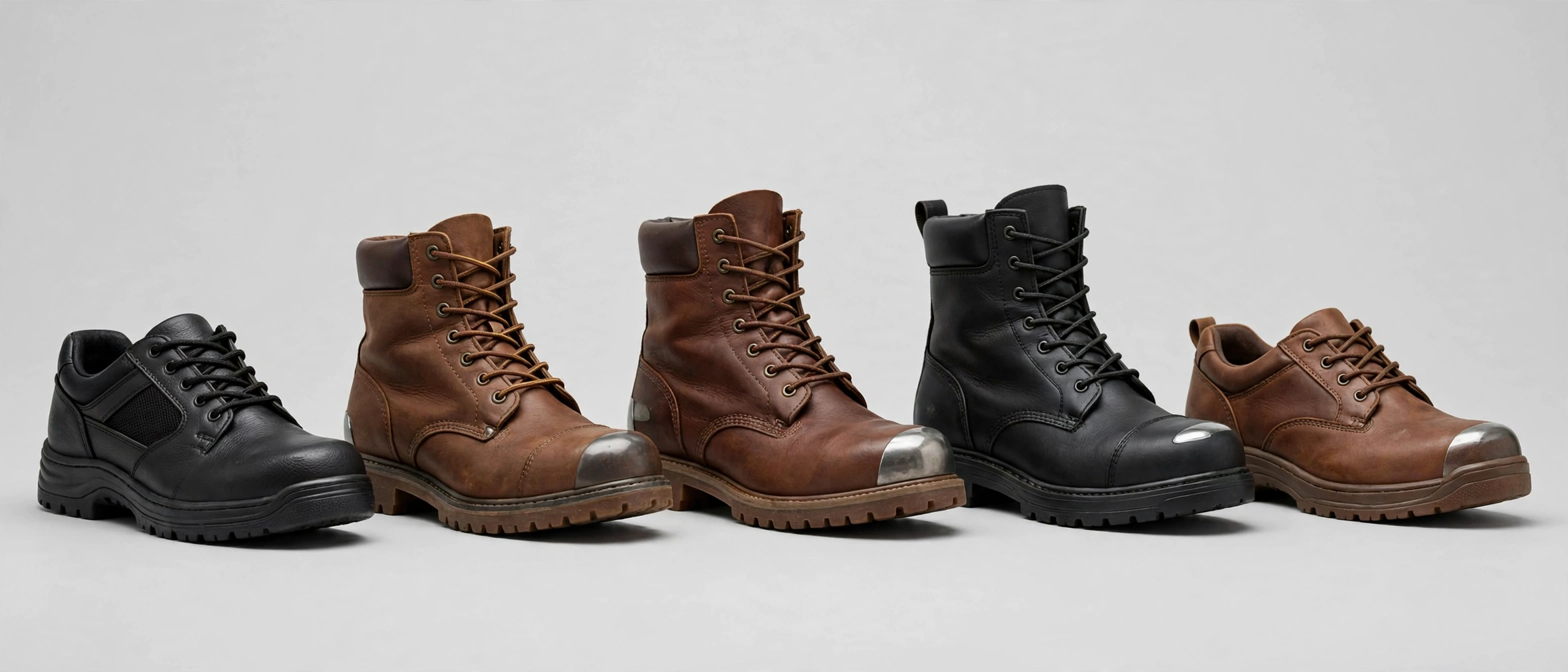
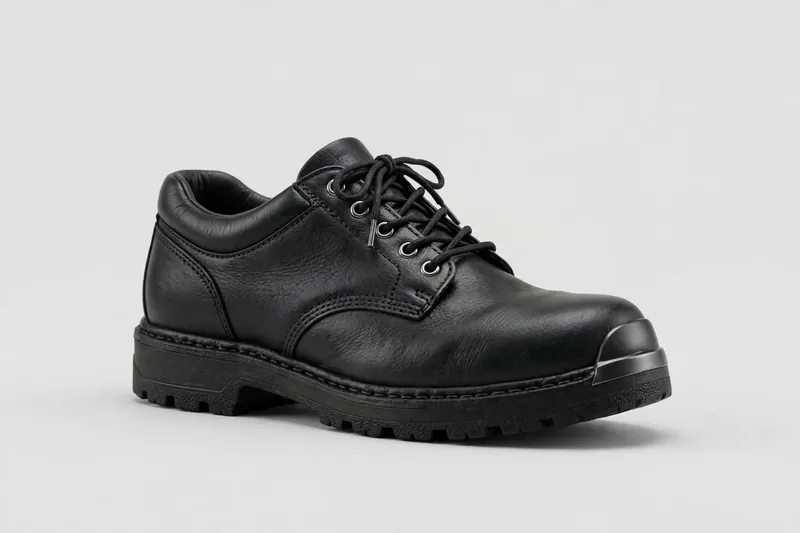
Replace safety shoes when the sole tread is worn smooth, the upper is cracked or torn, or the toe protection is dented or exposed — any one of these means the shoe no longer protects as it should. For most teams, a monthly check and a replacement plan based on the job, not the calendar alone, keeps workers protected without throwing away shoes that still have life in them.
A pair that stands on a dry warehouse floor all day wears very differently from a pair that walks wet concrete, climbs scaffolding or stands in kitchen grease. Two workers who bought the same model on the same day can need replacements months apart, because the job decides the wear, not the purchase date.
That is why this guide gives no fixed "replace every six months" rule. A fixed number would be wrong for half the team: it would throw away good shoes on light jobs and leave worn shoes in service on hard jobs. The reliable trigger is the shoe itself. Check the shoe, read the signs, and replace on the signs — then use the checking routine below to plan how many pairs your team actually goes through, so the next order is sized from real wear, not from a guess.
A shoe that has taken a heavy impact, been crushed, or been pierced should be taken out of service at once, even if it still looks wearable. Damage to the protective parts is not always visible from outside.
Work through these five, in order, every time you check a pair. One fail is enough: a shoe that fails any single check is a shoe to replace, not a shoe to keep "for light duties".
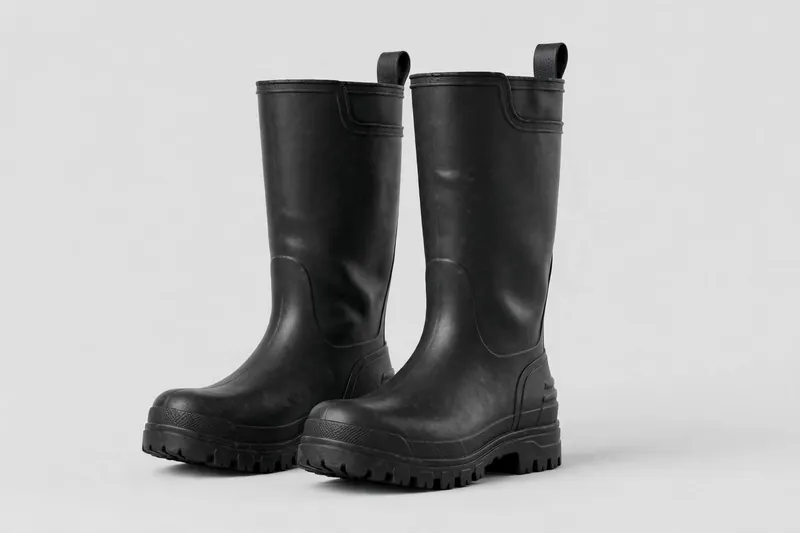
Check both shoes, not just the one that looks worse. Wear is rarely even: the leading foot, the foot that steps first onto a ladder rung or a wet patch, usually wears faster, and the other shoe is rarely far behind.
A replacement plan needs a checking routine, and the routine needs to be short enough that it actually happens. Once a month is a workable rhythm for most teams: one person, a few minutes, every pair in use.
The monthly count also gives you the number that matters for ordering: how many pairs your team actually replaces in a quarter. That number, not a catalogue estimate, is what the next bulk order should be built on.
Good care buys time, but it cannot reverse wear. These habits stretch the life of a sound pair; none of them rescues a pair that has already failed one of the five checks.
If a model keeps failing early on the same sign — tread gone in weeks, uppers splitting at the same seam — say so in your next inquiry. The pattern may point to a different model for that job, not to a worker problem.
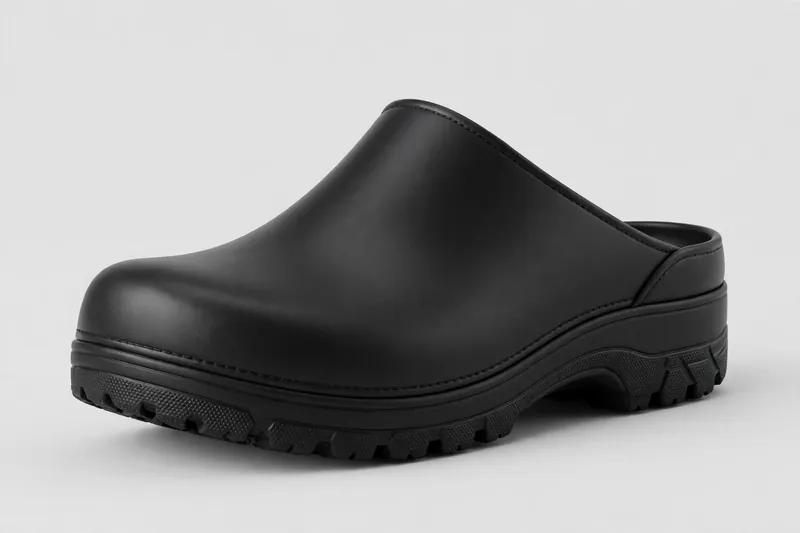
Once the monthly checks have run for a quarter, planning is arithmetic, not guesswork.
General safety guidance on foot protection notes that protective footwear is needed where falling or rolling objects or objects piercing the sole are present, and a construction safety quick card likewise pairs safety toes with puncture-resistant soles. The lesson for replacement is the same as for protection: a shoe that can no longer do its protective job is not a shoe to keep wearing, whatever the calendar says.
| Wear sign | What it means | Action |
|---|---|---|
| Sole tread worn smooth | Grip is gone, especially on wet or oily floors | Replace now |
| Upper cracked, torn or split | Water, oil and sharp objects can get in | Replace now |
| Toe protection dented, cracked or exposed | The shoe has already taken its hard hit | Replace now, do not repair |
| Midsole or insole flattened | Support is gone; feet tire and ache | Replace soon, monitor closely |
| Laces, straps or closures no longer hold | The shoe cannot be fastened securely | Replace if the closure cannot be repaired |
| Heavy impact, crush or puncture | Protective parts may be damaged out of sight | Take out of service at once and check |
Contact us for pricing and MOQ details for your quantities, sizes and target market.
How long should a pair of safety shoes last? There is no single number. The job decides: wet, oily, rough-ground and climbing work wears shoes faster than dry indoor work. Check monthly and replace on the five wear signs above — the signs, not a date, are the trigger.
Can I keep a worn pair for light duties? No, if it failed one of the five checks. A smooth sole still slips on a wet floor, and a dented toe cap still cannot be trusted. Light duties still have floors, steps and dropped objects.
What if only one shoe of a pair is worn? Replace the pair. Shoes are sold and worn as pairs, and the "good" shoe is usually closer to failing than it looks — wear is rarely even between the two feet.
Should I repair a shoe instead of replacing it? A lace or an insole can be replaced. A worn sole, a split upper or a damaged toe cap cannot be repaired back to its protective function. If the repair is only cosmetic, the shoe still fails.
What should I send with a replacement inquiry? The model you want, the sizes with quantities per size, the job the shoes are for, and foot lengths in centimetres or millimetres for any worker whose size is uncertain. Tell us which wear sign your old pairs failed on — it helps match the replacement model to the job.
Sources for general background: the United States Occupational Safety and Health Administration's foot-protection regulation page (foot protection guidance) and its construction personal protective equipment quick card (construction PPE quick card). These are general information sources only; always check the workplace rules that apply in your own market, and confirm any product specification with the supplier before ordering.