Measure both feet at the end of the day, in the socks workers will actually wear, and order by the larger foot. For a bulk order, collect the size of every worker first and order a size run that matches the real team — not an even split — then confirm the size range with the supplier before you pay, because the same labelled size can fit differently from one model to another.
A bulk order goes wrong most often before any shoe is picked, when sizes are guessed from memory or copied from an old order. Take ten minutes and measure properly.
Do not order from shoe sizes workers remember from fashion shoes or trainers. Work shoes fit differently, and a remembered size is often a size too small.
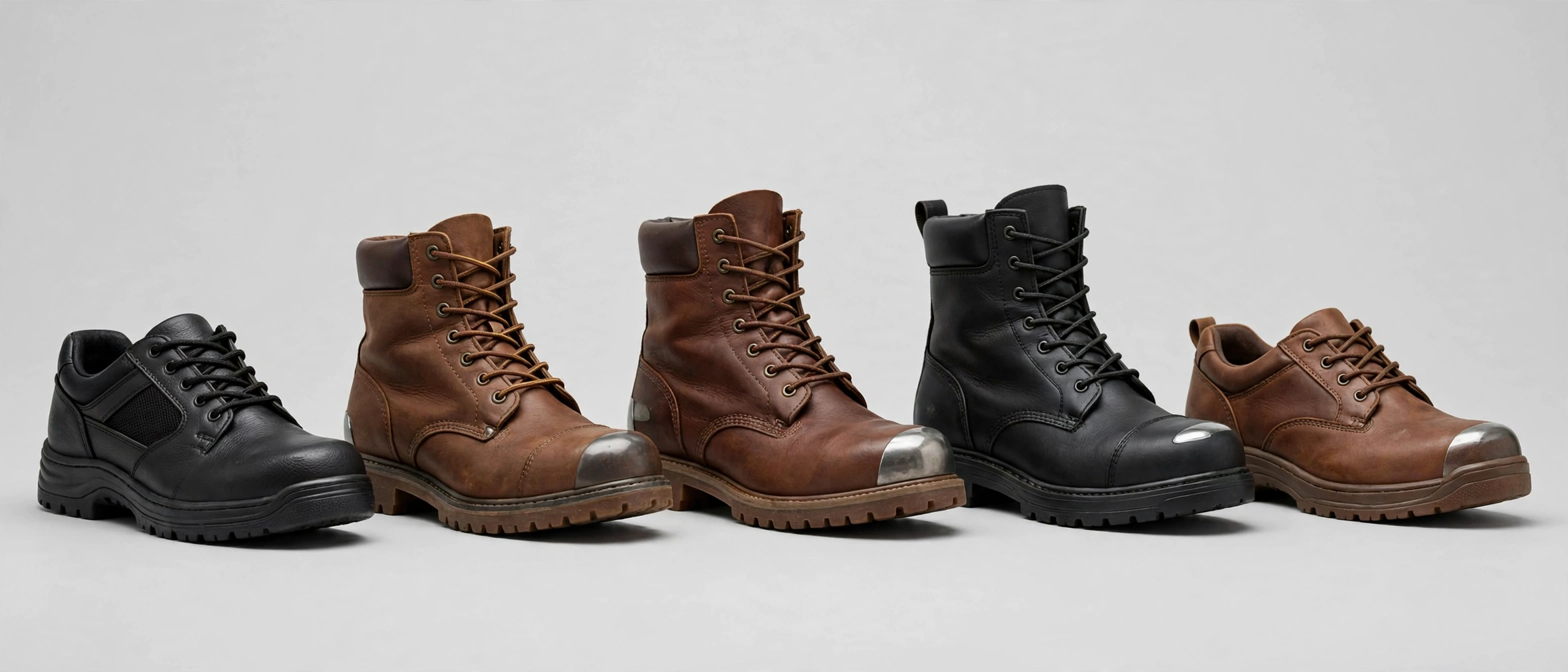
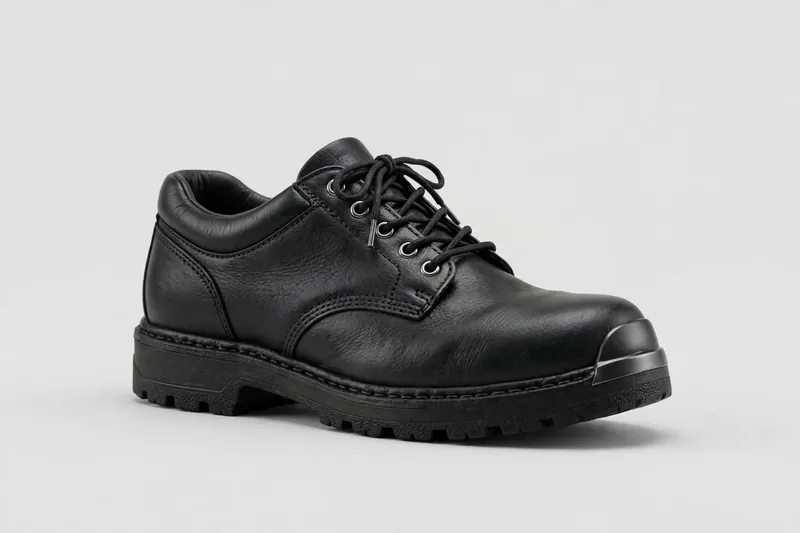
Two pairs labelled the same size can feel different, because the shape of the shoe — its last — differs from one model to another. A low-cut shoe, a high-cut boot and a sports-style shoe with the same size label will not necessarily fit the same foot the same way. Toe protection, midsole stiffness and padding also change how much room a foot feels inside the shoe.
That is why this guide gives no universal conversion chart. Size systems differ by market, and a chart that looks exact on paper can be a full size out in practice. The reliable route is simpler: send the foot length in centimetres or millimetres, name the model you want, and ask the supplier to confirm which labelled size matches that length for that model. Confirm the mapping in writing before the bulk order, not after it arrives.
The same rule applies when a team has worn another brand before. A size that fitted the old brand is a starting hint, not a confirmed size for the new model. Re-measure, or at least trial the new model in the sizes the team expects, before ordering for everyone.
A trial pair should be checked on a real shift, not in a five-minute walk around a dry room. Use this checklist for every model you trial.
If a model fails the try-on for several workers, do not push it through by changing sizes. The model is wrong for that team, and a different model will settle the question faster than a size change.
Once the model is confirmed, build the size run from the real list, not from an even split. A team of forty workers is rarely spread evenly across sizes — most teams cluster around a few middle sizes, with a small number at each end.
Send the size list with the inquiry, and ask the supplier to confirm availability size by size. If a size is short, it is better to know before payment than to discover it when the cartons arrive.
A clear inquiry gets a faster, more accurate quotation. Include:
General safety guidance on foot protection notes that protective footwear is needed where falling or rolling objects or objects piercing the sole are present, and a construction safety quick card likewise pairs safety toes with puncture-resistant soles. The lesson for sizing is the same as for protection: choose the size and the protection together, as one package, for the real foot and the real job.
| Order tier | Quantity | What to send on sizes |
|---|---|---|
| Trial order | 50 pairs | The sizes of the workers who will test, across more than one work area |
| Wholesale order | 300+ pairs | The full size run for the team, counted from the written size list |
| OEM order | 500 pairs | The full size run, plus your branding, colour and packaging requirements |
Contact us for pricing and MOQ details for your quantities, sizes and target market.
What if a worker is between two sizes? Try the larger size first and check heel hold. A shoe that is slightly roomy with a secure heel usually works better than a shoe that pinches, but the try-on checklist above is the real test — never decide from the number alone.
Do you have half sizes? Whether half sizes are available depends on the model. Tell us the model and the foot lengths, and we will confirm at inquiry which sizes that model comes in.
Can I use one size run for every model? No. The same labelled size can fit differently from one model to another, so confirm the size mapping separately for each model, and trial each model you plan to order.
What if a worker's size changes after the trial? Feet change with seasons, socks and insoles. Confirm the final size list again just before the bulk order, and keep a spare pair in the common sizes for the workers most likely to need a change.
What if I only know the team's usual sizes, not foot lengths? Send the usual sizes and the model you want, and trial first. The trial will show whether the usual sizes map correctly to this model — that is exactly what the 50-pair trial is for.
Sources for general background: the United States Occupational Safety and Health Administration's foot-protection regulation page (foot protection guidance) and its construction personal protective equipment quick card (construction PPE quick card). These are general information sources only; always check the workplace rules that apply in your own market, and confirm any product specification with the supplier before ordering.